 WeChat
 Video
Video
 Tiktok
Driven by a new round of technological revolution and industrial transformation, the Chinese government places high importance on the development of the intelligent connected vehicle (ICV) industry. Ministries and commissions including the MIIT, NDRC, and MOT have issued a series of development plans, policies, regulations, and standards, such as the "Internet of Vehicles (Intelligent Connected Vehicles) Industry Development Action Plan" and the "Management Specification for Road Testing of Intelligent Connected Vehicles."
Passenger vehicles with drive-by-wire conversions are the most ideal test and development platforms for the intelligent connected vehicle industry. This is because they feature automotive-grade certified components and performance and are permitted to collect data on public roads.
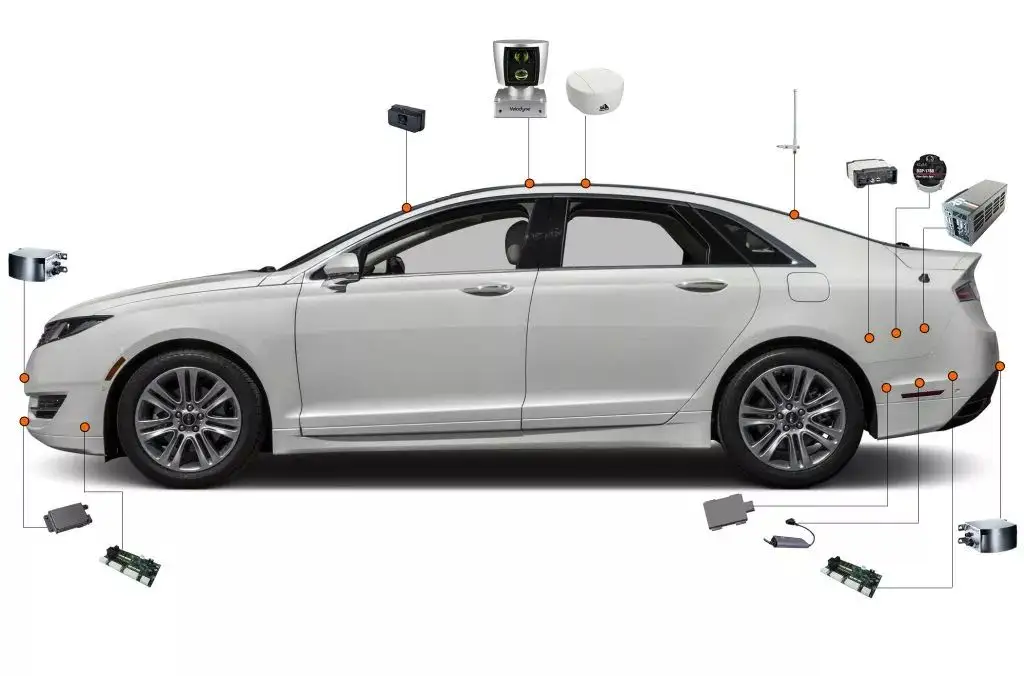
This is precisely why autonomous driving companies and research institutes use by-wire converted passenger vehicles for development, validation of autonomous driving algorithms, sensor performance, safety levels, and more.
Although there are established service providers in the market, such as Autonomous Stuff, that offer stable and reliable conversion solutions, their solutions come with relatively high conversion costs. This increases R&D and operational expenses for B-end enterprises. Furthermore, for smaller-scale projects, their level of engagement tends to decrease, which does not favor vehicle development or project timelines.
Full-Stack Integrated Conversion – A Stable Drive-by-Wire Modification Solution
The modification process for by-wire converted vehicles involves multiple stages.
It requires not only electrical system modifications but also the installation of the drive-by-wire system, including the VCU, braking, and steering systems. Finally, multiple rounds of testing and calibration are necessary to ensure the safety and reliability of the by-wire converted vehicle.
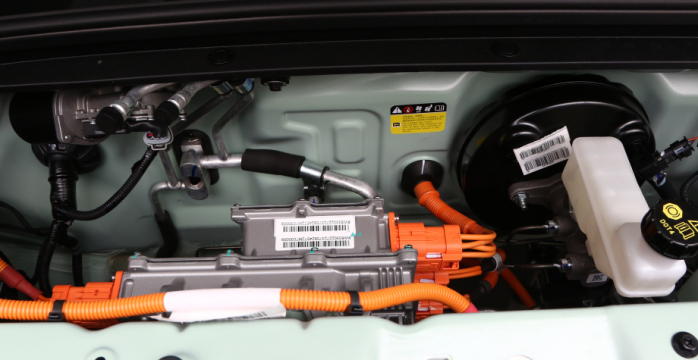
Throughout the entire passenger vehicle conversion process, high precision and non-destructive modification of the original vehicle are required.
The converted by-wire passenger vehicle provides users with data acquisition interfaces and control interfaces.
All data is transmitted via the CAN bus, offering high reliability and strong scalability. Vehicle status information is acquired through the CAN bus and transmitted to the user end, ensuring data accuracy and real-time performance.
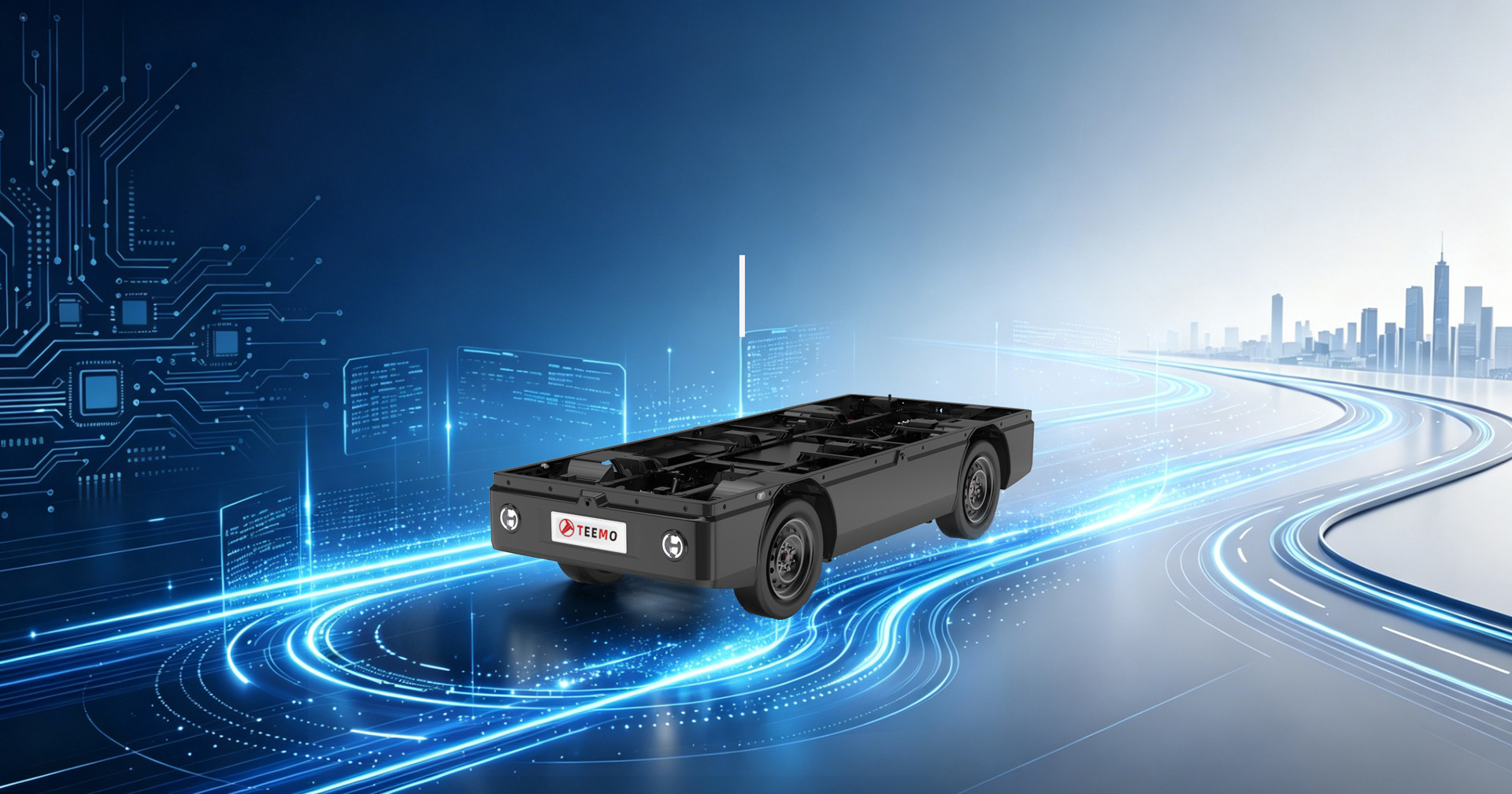
As a pioneer in low-speed autonomous driving skateboard chassis, the TEEMO team offers full-stack automotive-grade by-wire conversion services, along with a comprehensive chassis development process and a complete autonomous driving hardware and software deployment solution. This enables rapid, holistic vehicle conversion and facilitates efficient algorithm validation for developers.
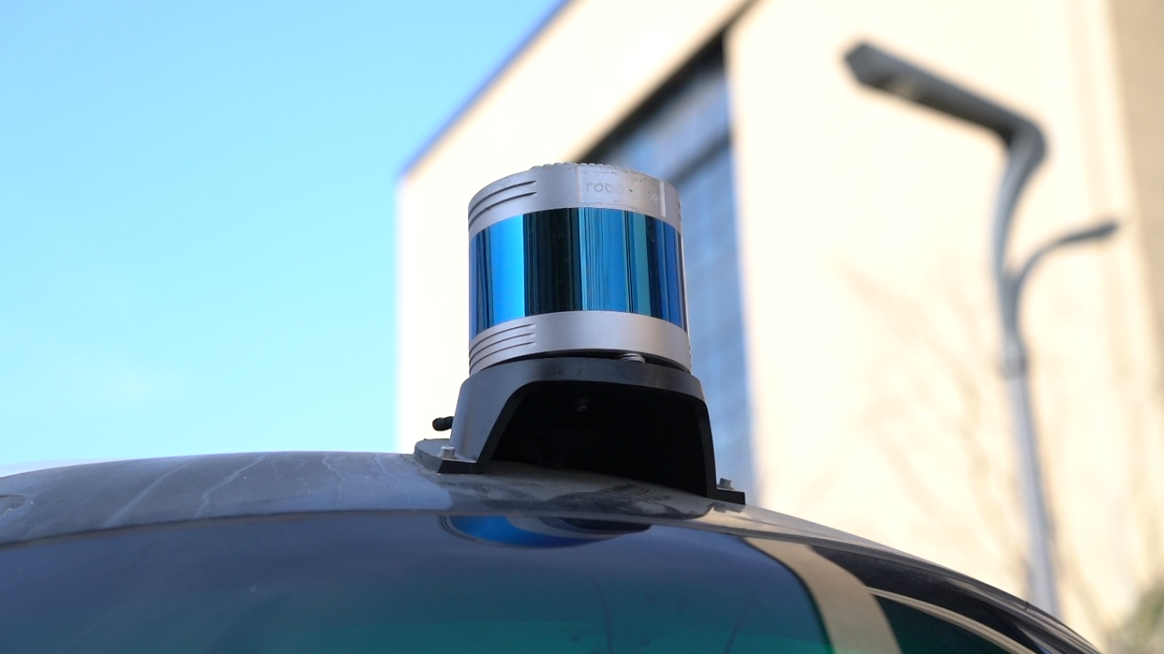
At the same time, the team provides low-cost, high-precision, non-destructive conversion services for several vehicle models, along with real-time driving mode selection based on conversion requirements.
Conversion Service Performance
High Precision & Fast Response
TEEMO's by-wire converted vehicles add a by-wire VCU to the original vehicle, enabling control of steering, throttle, braking, gear shifting, and turn signals, as well as acquisition of user driving information — designed for advanced driver assistance and autonomous driving development.
The converted vehicle platform provides autonomous driving product developers with a stable, reliable, and high-performance actuation system assembly.
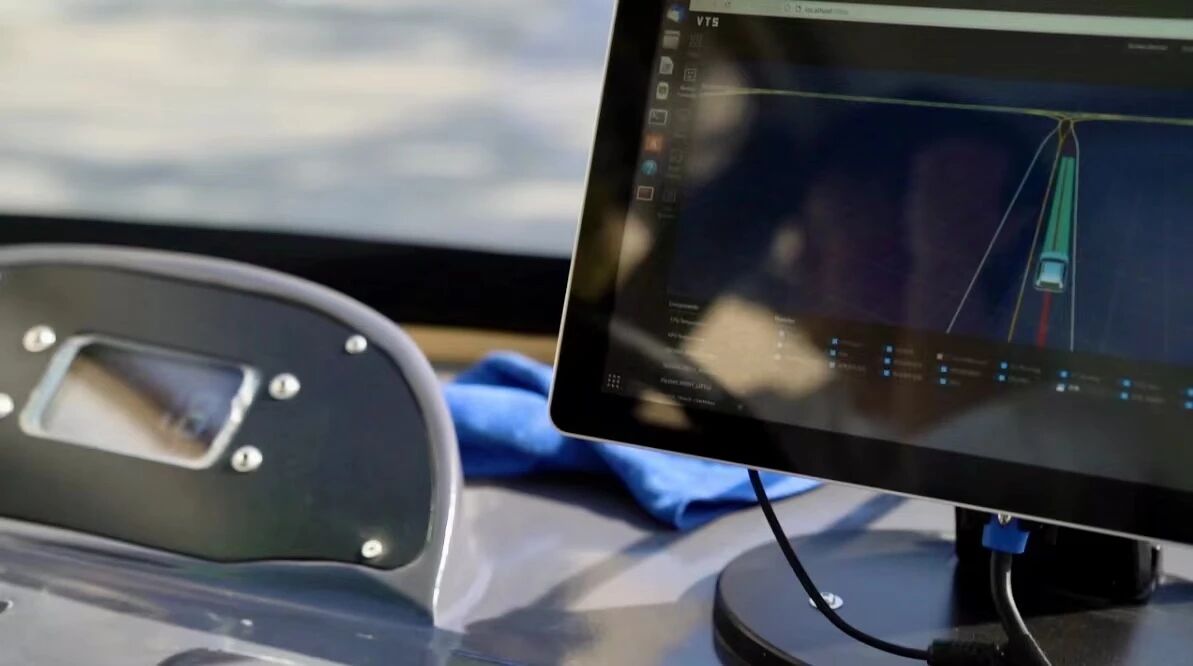
Developers can rapidly deploy autonomous driving systems on this platform, allowing them to focus more on algorithm and product-side application development. This significantly reduces development costs and shortens development cycles.
After non-destructive by-wire upgrade, the converted vehicle platform offers the following key features:
-
High control precision with minimal response latency
-
Original vehicle integrity preserved, ensuring platform stability and reliability
-
Open interfaces designed for autonomous driving and ADAS
-
Automotive-grade electronic cybersecurity architecture – efficient, secure, and responsive

Multiple Driving Modes – Flexible and Combinable Customization
The TEEMO by-wire vehicle platform supports three operating modes: manual driving mode, remote control mode, and autonomous driving mode (optional and customizable based on specific requirements). Functions such as headlights, turn signals, and doors can all be controlled via the CAN bus. The platform provides feedback on parameters including four-wheel speed, brake pressure, and steering wheel angle. The autonomous driving system needs only to interact with a single CAN channel of the chassis VCU.
Manual Driving Mode – In this mode, the converted vehicle operates exactly like a standard passenger car. During driving, it neither receives commands from an upper computer nor obtains vehicle driving information through the communication interface.
Remote Control Mode – In this mode, the vehicle receives and decodes signals from a remote controller, then sends control commands over the CAN bus to the corresponding components to achieve steering, throttle, braking, lighting, and other functions. If the driver manually intervenes during remote operation (e.g., pressing the brake past a set threshold or abruptly turning the steering wheel), the system will exit remote mode and switch to manual mode. Re-entry to remote mode requires a manual re-switch.
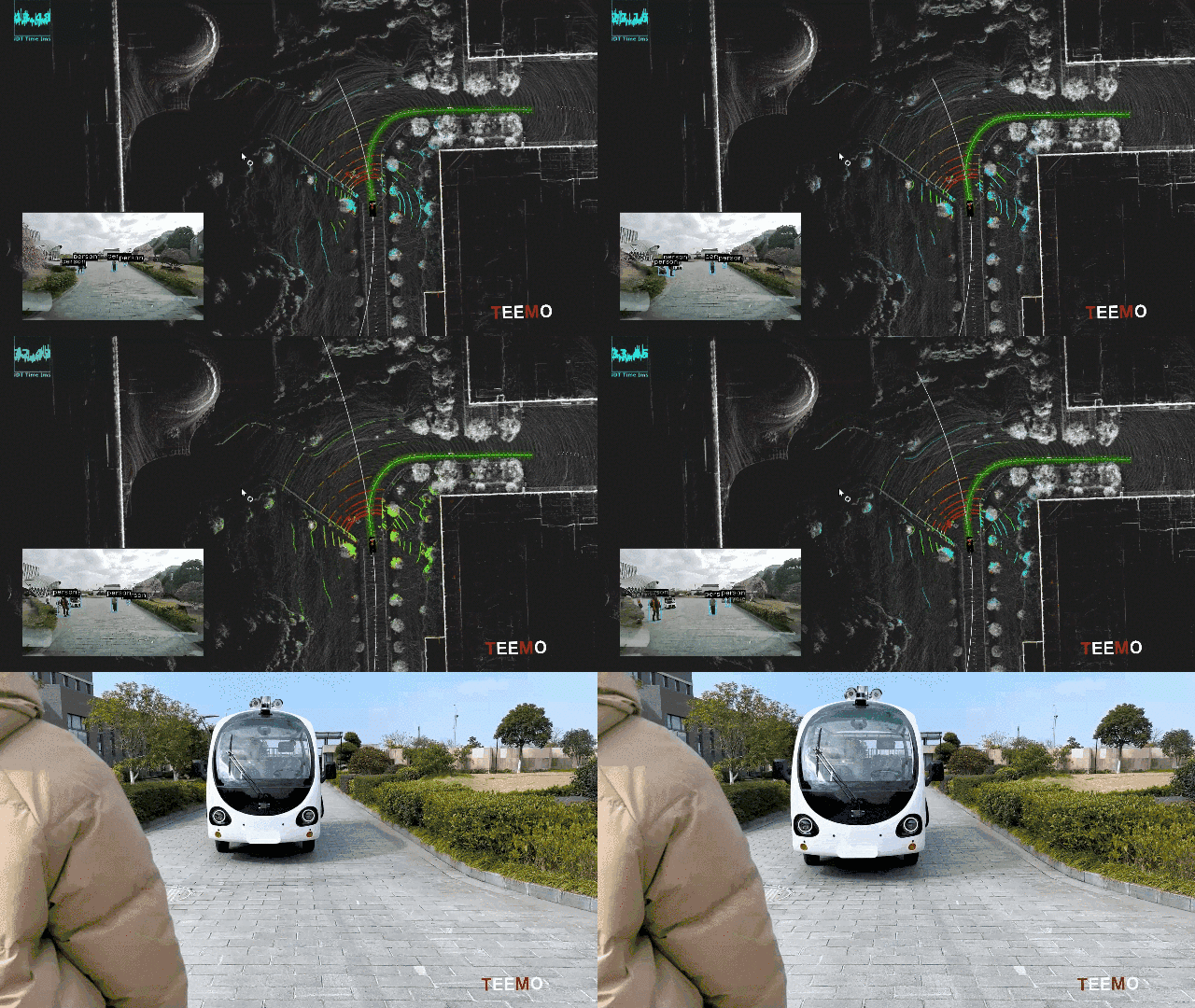
Autonomous Driving Mode – In this mode, the vehicle receives and executes control commands from an upper computer, and users can access vehicle driving information through the communication interface. In this mode, manual emergency intervention (steering wheel, throttle, brakes, etc.) will switch the vehicle to manual mode.
Seamless switching between all three modes is supported. With intelligent vehicle configurations, the by-wire converted vehicle is an ideal platform for enterprises and research institutions to develop, validate autonomous driving algorithms, test sensor performance, and more.